
# Iran
Latest news and articles about Iran
Total: 186 articles found
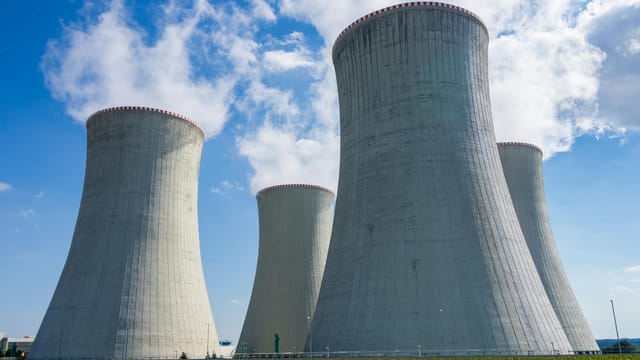
Iran Asserts Inalienable Right to Peaceful Nuclear Energy as U.S. Naval Pressure and Geneva Talks Loom
Iran has reiterated that its right to peaceful nuclear energy is inalienable under the NPT, while insisting it does not seek nuclear weapons and is open to inspections but will not accept excessive demands. The declaration comes as U.S. naval assets remain deployed in the region and indirect U.S.‑Iran talks, mediated by Oman, are due to resume in Geneva, leaving diplomacy and deterrence in uneasy balance.

Double Carrier in the Gulf: Washington’s Show of Force to Pressure Iran — and a Risky Gamble on Readiness
The U.S. has ordered the USS Gerald R. Ford carrier strike group to the Middle East to join the USS Abraham Lincoln, a move intended to increase pressure on Iran during negotiations and to demonstrate the Ford’s operational readiness. While the double‑carrier presence expands U.S. airpower and deterrent signalling, it also raises regional tensions and the risk of miscalculation.

Two Carrier Strike Groups and a Deadline: Trump's Harder Line on Iran Raises Stakes in the Middle East
President Trump has shifted to a more confrontational policy on Iran, ordering a second carrier strike group to the Middle East and issuing a one‑month ultimatum. The move aims to pressure Tehran into concessions but raises substantial risks of miscalculation, regional escalation, and economic fallout.

Inside Iran’s Intelligence Counterstrike: How a 60,000‑Weapon Seizure Upended a Covert Playbook
Iran says it intercepted a 60,000‑item arms shipment in Bushehr and dismantled a Mossad‑trained network it accuses of funding violent acts inside the country. The seizure, if verified, underlines Tehran’s expanding counterintelligence reach and complicates U.S. and Israeli covert options in the region.
UK Sends F-35Bs to Cyprus as Iran Bolsters Radar Defences — A New Calculus for Stealth and Strike in the Gulf
Britain has deployed F-35B jets to Cyprus and Typhoons to Qatar as part of a widening coalition posture near Iran, while Tehran has reportedly fielded Chinese YLC‑8B radars that could extend detection ranges for stealth aircraft. The technical and political dynamics are increasing the complexity and risks of any air campaign, forcing greater reliance on electronic warfare, standoff weapons and crisis diplomacy.

Trump Sets One‑Month Deadline for Iran Deal as Tehran Says No U.S. Message Was Sent
President Trump has set a roughly one‑month timeline for a U.S. deal with Iran, warning of severe consequences if talks fail. Iran says it received no direct U.S. message — only Omani notes — and both sides say they want to continue indirect negotiations while conducting internal consultations. The mix of public ultimatums, Israeli red lines and a stepped‑up U.S. military presence raises the risk that diplomatic pressure could harden stances or lead to escalation.
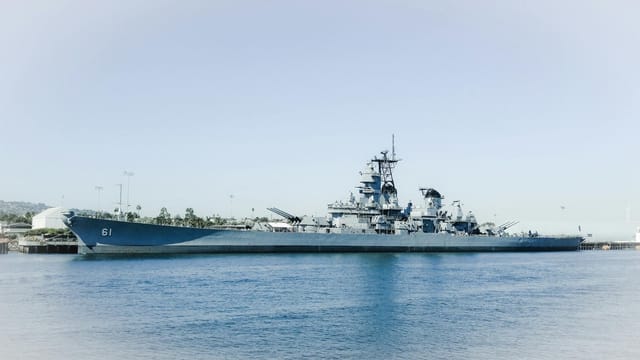
Second U.S. Carrier Headed to the Gulf as Geneva Talks with Iran Bring Coercion and Diplomacy into Sharp Relief
The U.S. is sending the USS Gerald R. Ford carrier strike group to the Middle East while U.S. envoys prepare indirect talks with Iran in Geneva on February 17. Washington seeks far‑reaching curbs on Iran’s nuclear and missile programs, while Tehran insists on its right to defensive capabilities, leaving a narrow path for agreement amid heightened military posturing.

Carrier Strikes and Street Art: How Washington and Tehran Are Betting on Brinkmanship
A U.S. carrier strike group’s deployment to the Arabian Sea and high‑profile aerial operations have coincided with a breakdown in U.S.–Iran talks, prompting Tehran to answer with dramatic public propaganda and heightened military readiness. Both capitals face a strategic bind: Washington can project overwhelming conventional power but lacks a clear, achievable objective that won’t trigger wider conflict; Tehran cannot match U.S. forces but can raise costs through asymmetric means, particularly by threatening the Strait of Hormuz.
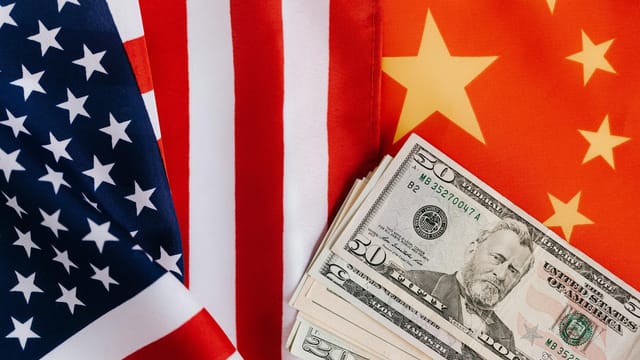
From G‑20 Ouster Threats to a J‑20 Model: Washington’s Financial Ultimatum and Beijing’s Iran Signal
A near‑unanimous US House vote threatened to remove China from six international bodies if it attacked Taiwan, a move that signals bipartisan hardening in Washington and shifts the contest into the realm of financial governance. Beijing answered with a political gesture toward Iran and vows to deepen ties in 2026, underscoring how both powers are using institutional leverage and symbolic diplomacy to prepare for prolonged strategic competition.
U.S. Readies Potentially Prolonged Strikes on Iran as Tensions Surge
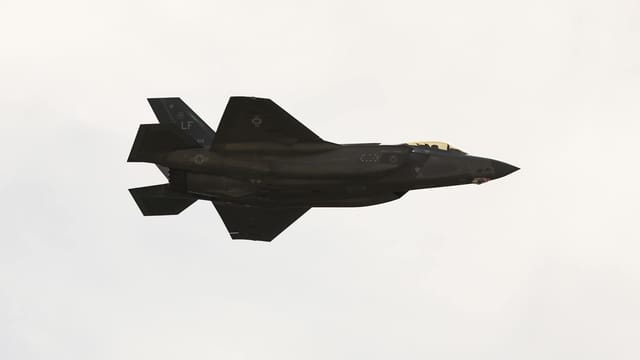
U.S. officials say military planning is underway for strikes on Iran that could last weeks and extend beyond nuclear targets to security and state institutions. Washington has bolstered forces in the Middle East while Tehran warns of retaliation, raising the risk of a protracted regional confrontation.

Trump Confirms Second U.S. Carrier Heading to Middle East, Raising Stakes in an Already Volatile Region
President Trump confirmed the deployment of a second U.S. aircraft carrier to the Middle East, increasing American naval presence amid heightened regional tensions. The move is designed to deter Iran and reassure partners, but it raises risks of escalation, economic fallout for shipping and energy markets, and diplomatic complications for other global players including China.
Iran’s Foreign Minister Says a “Fair” Nuclear Deal with Washington Is Feasible — but Not at the Cost of Sovereignty
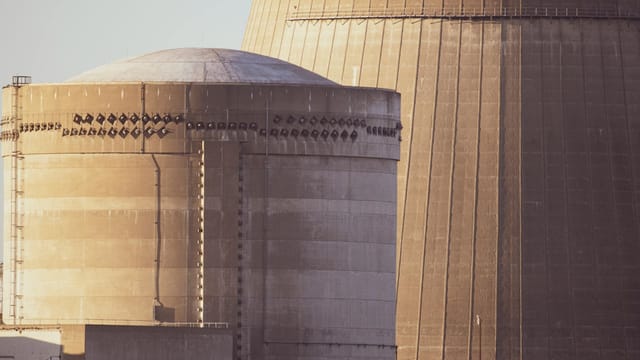
Iran’s foreign minister said a deal with the United States over Iran’s peaceful nuclear programme is possible if it is “fair and balanced” and provides credible security guarantees. The comments, made on the Revolution anniversary, come after indirect talks in Oman and high-level consultations in Washington and underscore both diplomatic openings and domestic constraints on any agreement.