
# Iran
Latest news and articles about Iran
Total: 186 articles found
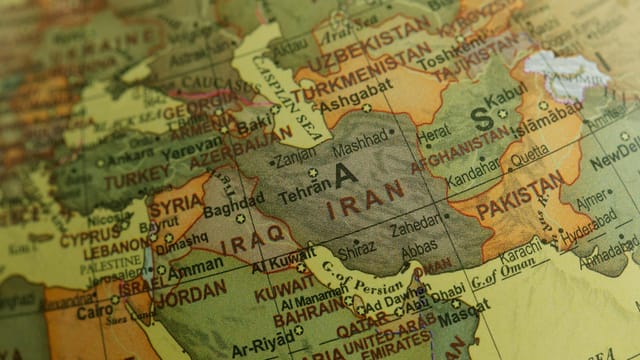
Muscat Talks Signal New U.S.–Iran Dialogue Track, Raising Hopes — and Risks — for De‑Escalation
A first round of indirect U.S.–Iran nuclear talks in Muscat has produced unusually positive public signals from both sides and appears to have established a new, more visible dialogue mechanism under Omani mediation. While this reduces short‑term escalation risks, substantive agreement will be hard to achieve quickly given domestic constraints and regional spoilers.
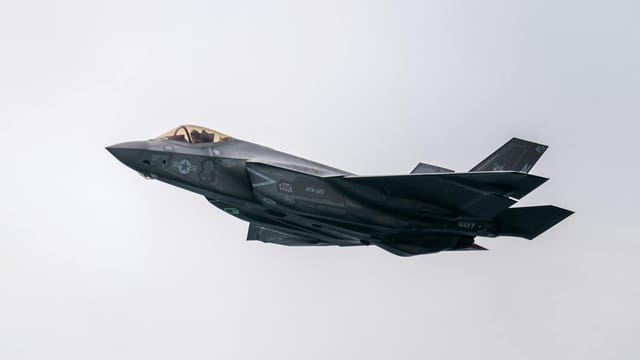
Strike a Carrier, Invite a Response: Why Hitting a U.S. Aircraft Carrier Would Force Washington's Hand
A Beijing commentary argued that an Iranian strike on a U.S. aircraft carrier would almost certainly draw U.S. retaliation. Such an attack would challenge American deterrence, risk rapid escalation across the region, and have immediate diplomatic and economic repercussions for global shipping and markets.
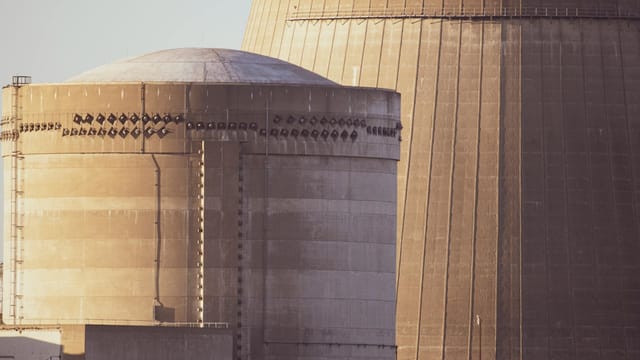
Iran's Dual Track: Offering Dialogue While Drilling In for a Fight
Iran is simultaneously signaling willingness to negotiate with the United States over nuclear issues while publicly reaffirming military readiness and core red lines. Regional intermediaries like Oman are facilitating indirect talks, but continuing US pressure and Israeli demands risk undermining progress unless both sides adopt reciprocal confidence‑building measures.

Iran’s Larijani Warns Washington to Snub Israeli Pressure on Nuclear Talks Ahead of Netanyahu Visit
Ali Larijani, Iran’s Supreme National Security Council secretary, publicly urged the U.S. to be wary of Israel’s influence as Prime Minister Netanyahu heads to Washington, accusing Israel of a ‘‘destructive’’ role in shaping nuclear-talks frameworks. The warning highlights Tehran’s concern that Israeli pressure could skew U.S. policy on Iran’s nuclear program and complicate diplomacy.
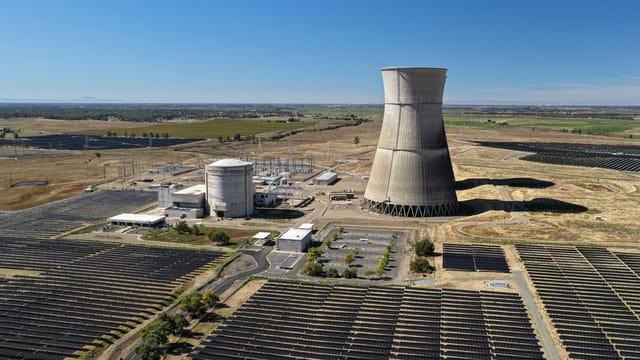
Iran’s Two‑Track Play: Negotiating Nuclear Talks While Posturing for War
Iran has adopted a deliberate two‑track approach: signalling willingness to negotiate on the nuclear file while visibly reinforcing military readiness and red lines. Analysts advise focusing on incremental, verifiable nuclear concessions, reciprocal confidence‑building measures and broader international mediation to avoid a dangerous breakdown in talks.
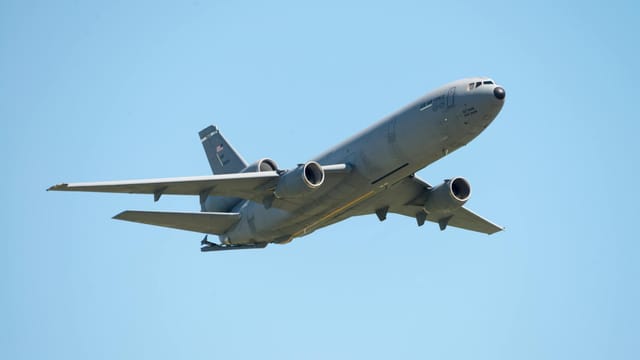
Why Missiles Alone Won't Topple a Carrier: What the Escalating US–Iran Standoff Reveals About Modern Naval Power
Rising tensions between the United States and Iran have rekindled debate over whether long‑range ballistic missiles can neutralize U.S. aircraft carriers. While intercontinental missiles serve strategic deterrence, they are ill suited to hit moving naval formations; the real threat to carriers comes from more targeted anti‑ship systems and asymmetric tactics in confined waters. The standoff highlights a shift in naval competition: carriers remain central to power projection, but must be defended and complemented by new doctrines and technologies to remain credible in contested littorals.
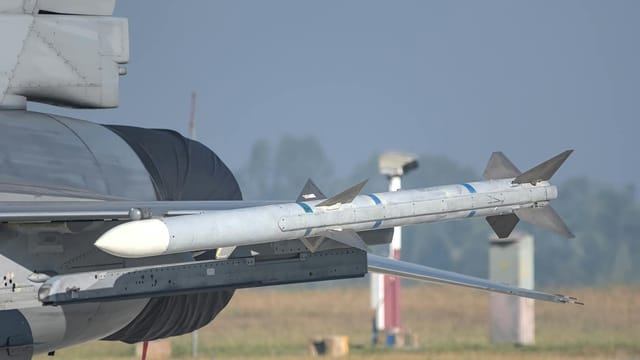
Netanyahu to Press Washington for Stricter Limits on Iran’s Enriched Uranium and Missile Arsenal
Israeli prime minister Benjamin Netanyahu will press President Trump to force the removal of Iran’s enriched uranium and to constrain Tehran’s ballistic missile capabilities. Jerusalem’s assessments warn that Iran is dispersing missiles to complicate strikes and that its missile inventory could return to pre‑attack levels, while Israel weighs risks of wider regional retaliation by Hezbollah and the Houthis.

Iran Deploys 'Underground Missile City' and New MRBM, Putting Israel and Gulf Bases in Range
Iran's IRGC says it has placed a new Khorramshahr-4 medium-range missile in underground facilities and opened a fortified 'missile city,' claiming a 2,000 km range that would reach Israel and US bases in the Gulf. The move boosts survivability and signalling leverage but is likely to raise tensions, complicate regional defence planning and challenge arms-control efforts.
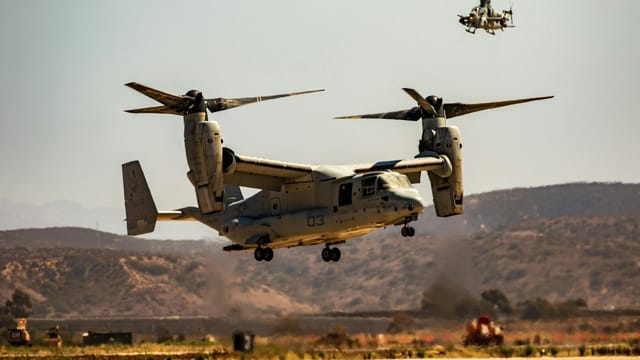
Iran’s Foreign Minister Frames Cautious Optimism After Oman Talks, Flags Israel as a Wildcard
Iran’s foreign minister Araghchi framed Tehran’s negotiating position after indirect Oman talks, saying the format is not the problem but unreasonable U.S. demands could derail progress. Analysts welcomed the small diplomatic opening while warning that military options remain viable and that Israel could sabotage any deal.
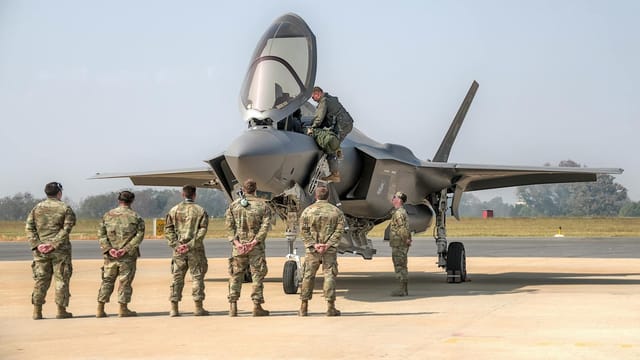
Iran Puts Air Force on Highest Alert, Sending a Regional Deterrence Message
Iran’s armed forces chief of staff announced that the air force is at the highest state of readiness, presenting the posture as defensive deterrence while warning adversaries of severe consequences for aggression. The move signals Tehran’s intent to shape regional calculations amid ongoing tensions with the US, Israel and Gulf states, and raises the risk of miscalculation if actions follow the rhetoric.
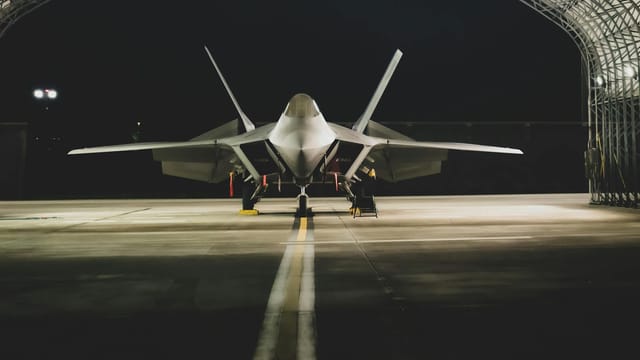
F-22s Withdrawn from Super Bowl Flyover as U.S. Reprioritises High-End Fighters Amid Iran Tensions
Two F-22 Raptors were withdrawn from a Super Bowl flyover because the U.S. Air Force reassigned them to operational missions amid heightened tensions with Iran. The move highlights rising operational tempo, strains on high-end military assets and the trade-off between combat commitments and public military displays.
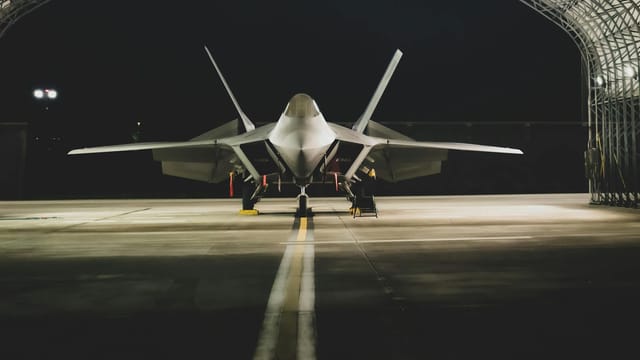
US Pulls Two F-22s from Super Bowl Flyover as Operational Tempo Near Iran Rises
The US Air Force pulled two F-22 stealth fighters from the Super Bowl flyover after reassigning them to operational tasks amid heightened activity related to Iran. The move highlights the limited availability of fifth‑generation assets and signals that the Pentagon is prioritizing real‑world missions over public displays during a period of increased tension in the Middle East.