
# Iran
Latest news and articles about Iran
Total: 186 articles found

Muscat Hosts US–Iran Backchannel as Oman Reasserts Role as Regional Broker
Iran and the United States held indirect talks in Muscat on 6 February, hosted by Oman and attended by Iranian foreign minister Araghchi and a U.S. delegation including a presidential envoy and Jared Kushner. The session underscores Oman's long‑standing role as a discreet intermediary and opens a cautious channel for pragmatic, limited diplomacy amid significant domestic and regional constraints.

With Talks Set in Oman, Trump Warns of Military Strike if Iran Builds New Nuclear Sites
President Trump warned of military action if Iran builds new nuclear facilities as negotiations between the two countries were scheduled to begin in Muscat, Oman. The United States wants talks to cover missiles and regional activities, while Iran insists the agenda be confined to its nuclear programme and sanctions relief, creating a major sticking point that will test whether diplomacy can withstand heightened threats and regional pressure.

Why Washington Is Reviving the Threat of Force Against Iran: Coercion, Probing, and the Risk of Miscalculation
U.S. threats of military action against Iran are best understood as coercive diplomacy: calibrated pressure meant to force concessions and test Tehran's red lines without triggering full-scale war. The approach raises risks of asymmetric retaliation, regional escalation, and economic disruption while leaving room for back-channel diplomacy to reduce tensions.
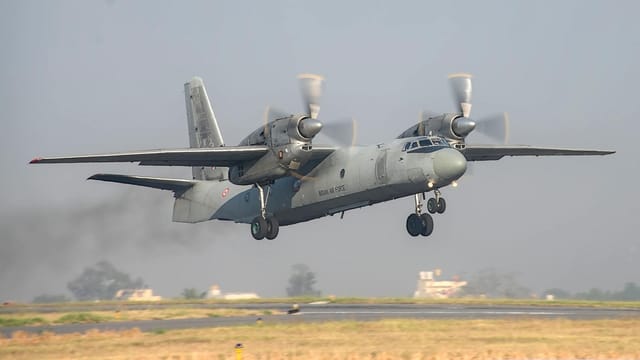
Iran Says It Has Upgraded Ballistic Missiles and Adopted Offensive Doctrine After '12-Day' War
Iran announced technical upgrades to its ballistic missile forces and a shift from defensive to offensive military doctrine after last year's 12-day conflict with Israel. The move is intended to strengthen deterrence, complicate potential strikes against Iran, and bolster Tehran’s leverage ahead of planned nuclear talks with the United States in Muscat.
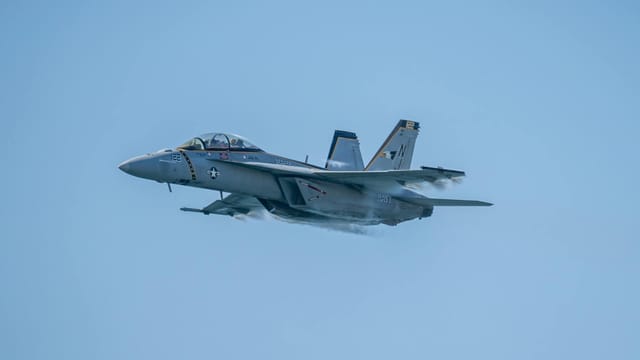
F-35C Downs Iranian Drone Near USS Lincoln — A Dangerous Test of Concealment and Escalation Risks
An F-35C from the USS Abraham Lincoln shot down an Iranian drone about 500 miles off Iran’s coast, a move the U.S. called defensive and Iran described as a reconnaissance aircraft that lost contact after transmitting images. The incident exposes limits in carrier stealth, demonstrates Iran’s surveillance reach, and raises the risk of inadvertent escalation amid rising regional military activity and arms transfers.
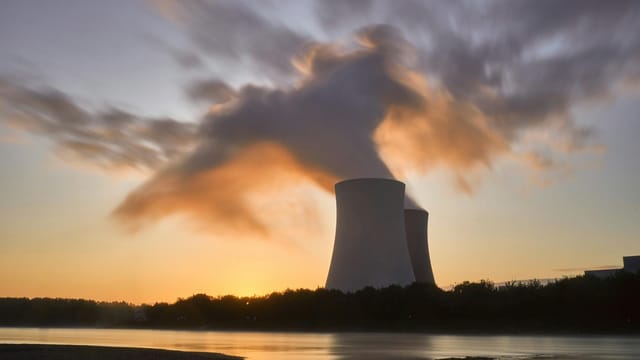
Trump Warns of Military Strikes if Iran Reawakens Nuclear Work, Raising Risks of Regional Escalation
President Trump warned on February 4 that the U.S. would strike Iran if it attempted to restart its nuclear programme or build new facilities abroad, saying U.S. intelligence had identified such plans. The public threat raises the risk of escalation, complicates diplomacy and places emphasis on independent verification from institutions like the IAEA.

Washington Asks Israel to Hold Fire as US and Iran Head to Oman for Nuclear Talks
The United States has urged Israel not to launch unilateral military strikes against Iran during U.S.-Iran talks in Oman, reflecting intense Washington–Jerusalem coordination to avoid derailing negotiations. Tehran confirmed the talks will proceed but remains wary; Washington wants a broader agenda while Iran insists on limiting discussions to the nuclear file.
Stakes of Scope: Iran Insists Muscat Talks Stay Narrow as U.S. Seeks Missile Guarantees
Iran and the United States will meet in Muscat to discuss Tehran’s nuclear programme, but a dispute over whether ballistic missiles should be on the agenda threatens to overshadow the talks. Tehran insists on a nuclear‑only mandate while Washington seeks broader guarantees, leaving the outcome uncertain and the regional security climate fragile.
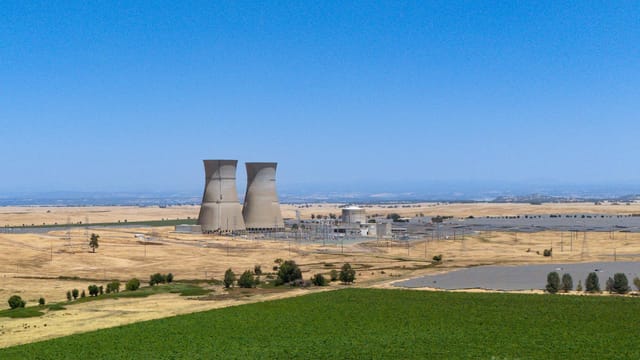
Talks in Muscat Test Iran‑US Divide as Tehran Bars Missile Agenda
Iran and the United States will meet in Muscat to discuss nuclear issues, but Tehran insists the agenda exclude its ballistic‑missile programme, which Washington wants included. The clash over scope reflects deeper strategic disagreements and raises the likelihood that talks will be limited unless both sides accept sequencing or parallel tracks.
Tehran Insists on Nuclear-Only Talks as US Pushes to Broaden Agenda
Iran and the United States are set to hold talks in Muscat on February 6, but Tehran insists the agenda be limited to nuclear issues while Washington is pushing to include Iran’s ballistic missile programme. The disagreement over scope, combined with recent military signalling from Iran, raises the stakes for a fragile negotiation that could either defuse or inflame regional tensions.

Gulf States Coax Washington Back to the Table — Iran Talks Restored, Moved to Oman
After urgent lobbying by multiple Middle Eastern leaders, the U.S. agreed to restore Iran talks scheduled for February 6 and move the meeting to Oman. Regional pressure sought to prevent a cancellation that might have increased the likelihood of military action, but U.S. officials remain sceptical about the talks' prospects.
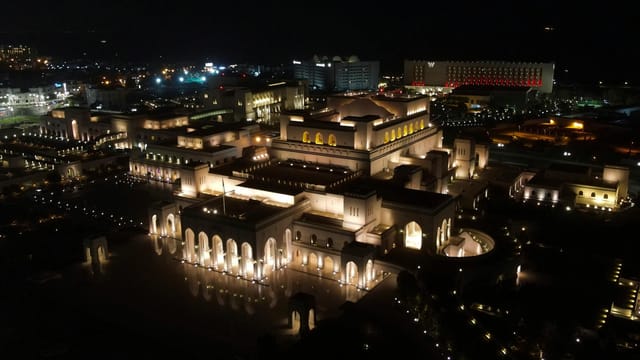
Iran and U.S. to Hold Talks in Muscat on Feb. 6, Tehran Says — A Tentative Diplomatic Opening
Iran’s foreign minister said Iran and the United States will meet in Muscat on Feb. 6 for talks conducted through Oman, a customary intermediary. The encounter is likely to focus on limited, pragmatic issues rather than a comprehensive settlement, serving as a test of whether the two sides can achieve small confidence‑building measures amid persistent strategic differences.