
# Iran
Latest news and articles about Iran
Total: 186 articles found

Cautious Opening in Muscat: U.S. and Iran Hold High‑Risk Indirect Talks Under Military Shadow
U.S. and Iranian delegations met indirectly in Muscat for the first diplomatic contact since last year’s strikes; Tehran called the talks “positive” but both sides remain far apart on scope. Washington sought to discuss missiles and proxy networks as well as the nuclear file, demands Iran rejects as non‑negotiable. The meeting reduces immediate escalation risk but underlines deep mistrust and a high chance of miscalculation amid regional and domestic pressures.
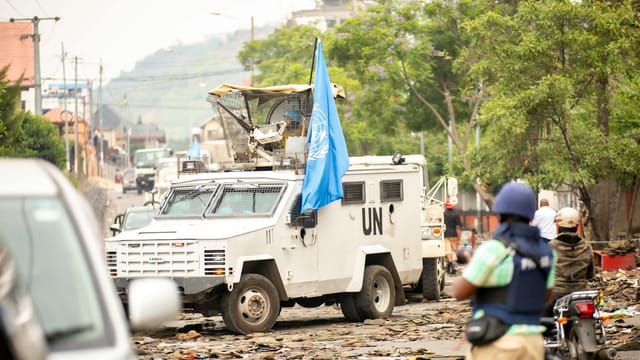
Guterres Welcomes Iran–US Talks in Oman as a Chance to Defuse Regional Tensions
UN Secretary‑General António Guterres welcomed the resumption of Iran–US talks hosted by Oman on 6 February, urging peaceful resolution of disputes under the UN Charter. The meetings are a modest but meaningful step to reduce regional tensions, though outcomes remain uncertain given domestic and regional constraints.

U.S.–Iran Talks Brokered by Oman Pause, Leaving a Fragile Diplomatic Channel Open
Talks between Iran and the United States, mediated by Oman, have been temporarily paused with no public details on outcomes. The halt preserves a discreet channel of communication while leaving multiple diplomatic and security questions unresolved.
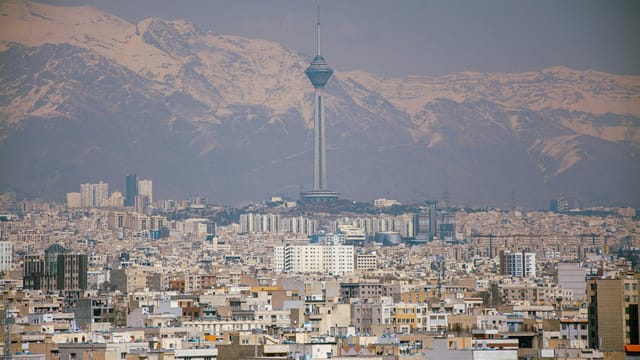
Iran Parades Advanced Ballistic Missile Ahead of US Talks, Signalling Hardened Deterrence
The IRGC unveiled the Khorramshahr‑4 medium‑range ballistic missile and an underground missile facility on 4 February, touting a 2,000 km range, 1,500 kg warhead and improved accuracy and re‑entry speed. The demonstration, timed ahead of narrowly focused US‑Iran nuclear talks in Muscat, is a strategic signal that Iran's missile deterrent is non‑negotiable and intended to shape regional and Western calculations.

Gulf States Push US and Iran Toward a Non‑Aggression Pact as Muscat Talks Resume
Gulf and Muslim states have drafted a mutual non‑aggression framework they hope will be adopted by the United States and Iran during talks in Muscat, aiming to curb direct strikes and proxy escalation. The proposal faces major hurdles — chiefly verification, the unresolved nuclear dispute, and likely Israeli opposition — that may limit its practical effect.

Washington Presses Israel to Stand Down as US and Iran Return to the Table
The United States has asked Israel to avoid unilateral military action against Iran while American and Iranian officials meet in Muscat, reflecting Washington's concern that an Israeli strike could derail fragile nuclear talks. Israeli officials remain doubtful an agreement is possible, and the episode highlights the persistent risk that local military moves could trigger broader regional escalation.
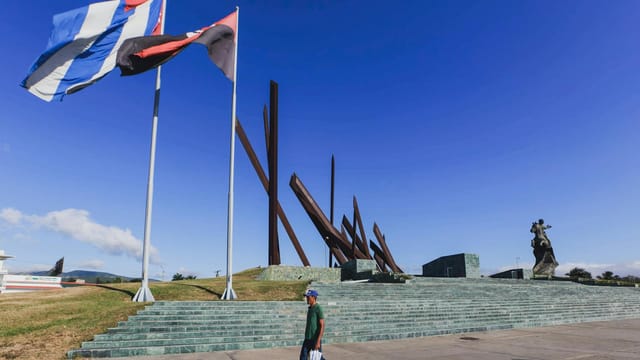
China Deepens Ties with Cuba and Iran as Sanctions Drive New Diplomatic Alignments
China has hosted high-level visits from Iran and Cuba, offering political support and practical assistance that help both states weather US sanctions. Beijing’s approach—economic cooperation framed as non-confrontational diplomacy—creates alternative lifelines that dilute the impact of unilateral pressure and complicate US policy options.
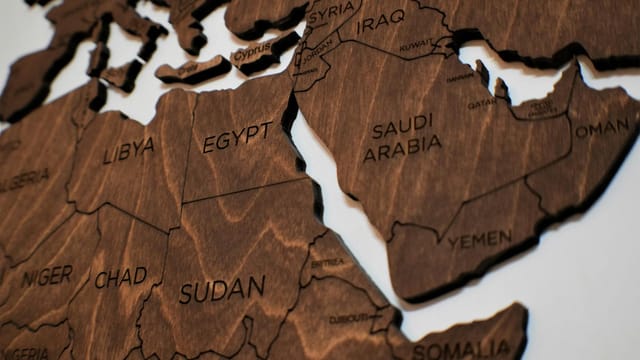
Quiet Progress in Muscat: Iran and US Agree to Continue Indirect Talks, Tehran Flags 'No Pressure' Condition
Iran and the United States held indirect talks in Muscat on February 6 that Tehran described as a promising start. Both sides agreed to continue negotiations, with Iran stressing that the removal of threats and pressure is a necessary precondition for substantive progress.

Muscat Hosts Quiet Iran–US Indirect Talks as Oman Acts Broker
Iran and the United States held indirect talks in Muscat on February 6 with Oman acting as intermediary. The low-profile meeting, attended by Iran’s foreign minister Araghchi and a U.S. envoy Witkoff with Jared Kushner present, signals cautious diplomatic engagement but stops short of any immediate, comprehensive agreement.

Muscat Mediation Keeps U.S.–Iran Nuclear Dialogue Alive, But Substance Still Divides Them
Indirect talks in Muscat on 6 February mediated by Oman produced a limited breakthrough: Iran and the U.S. agreed to continue dialogue, though core terms remain disputed. The mediated format reflects deep mistrust but also a shared interest in avoiding escalation while technical and political obstacles are negotiated.

Divided and Armed: Iran’s Internal Rift Threatens to Sabotage a High‑Stakes U.S. Negotiation
Heightened U.S. military pressure in the Gulf meets deepening factional rivalry inside Iran, where hardliners and sidelined reformists clash over how to respond. With missile upgrades and February 6 negotiations looming, Tehran’s internal divisions may determine whether diplomacy holds or conflict erupts, carrying broad regional consequences.

Oman Plays Go-Between as Tehran Holds Last-Minute Talks Ahead of US Negotiations
Ahead of scheduled talks between Tehran and Washington, Iran’s foreign minister met with Oman’s top diplomat, highlighting Oman’s continued role as a mediator. The meeting signals preparatory diplomacy aimed at narrowing gaps and managing expectations, but entrenched domestic and regional constraints make a substantive breakthrough uncertain.