
# Iran
Latest news and articles about Iran
Total: 186 articles found
Leaked Draft Shows U.S. Tying Iran Deal to Cuts in Oil Sales to China — A Strategic Move Beyond the Gulf
A leaked draft published by Israeli sources shows U.S. negotiating demands on Iran include a reduction of Iranian oil exports to China, turning a nuclear and regional-security dialogue into a broader U.S.–China contest. Tehran is unlikely to accept terms that undermine its deterrent capabilities and economic lifelines, and the clause risks pushing Iran closer to Russia and deepening great‑power geopolitical rivalry.
Iran Signals Flexibility on Enrichment but Warns Talks May Move as Muscat Round Ends
Iran signalled cautious flexibility in indirect talks with the United States, saying the second round’s venue may change while reiterating opposition to exporting uranium but openness to reduced enrichment levels. Tehran stressed it does not want regional war but warned that U.S. military action would complicate negotiations, which remain contingent on an environment free of threats and pressure.
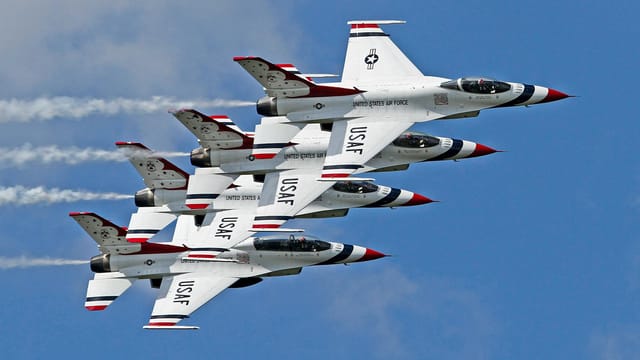
Britain Sends Six F-35Bs to Cyprus as Middle East Talks Temper—but Tensions Linger
The UK has deployed six F-35B fighters to RAF Akrotiri in Cyprus to bolster the defence of its sovereign base areas amid heightened US‑Iran tensions. The move coincided with Oman‑mediated talks between Washington and Tehran and a simultaneous White House announcement of tariffs targeting countries that trade with Iran, leaving the region in a delicate balance between diplomacy and deterrence.
Iran’s Army Pledges Firm Defense as It Pushes AI and Networked Capabilities
Iran’s army chief vowed to defend national sovereignty while highlighting a military pivot toward precision, range, networking and AI. The remarks mix deterrent signalling to external rivals with a message of internal cohesion under Supreme Leader Khamenei.

UN Chief Welcomes Resumption of Iran–US Talks, Offering a Sliver of Diplomatic Momentum
The UN Secretary‑General welcomed the resumption of talks between Iran and the United States, a move that opens a modest diplomatic window. While symbolic and potentially stabilising for the region, meaningful progress will face significant political and technical hurdles and is likely to be slow and incremental.

Iran Draws Two Red Lines After Indirect US Talks: Enrichment and Missiles Non-Negotiable
Following indirect, Oman‑hosted talks with US interlocutors, Iran’s foreign minister Alaghaqi set two firm red lines: the country will not surrender its right to enrich uranium and will not negotiate its missile programme. The comments narrow the scope for a comprehensive deal and point toward limited, technical confidence‑building measures rather than a broader arms‑control bargain.
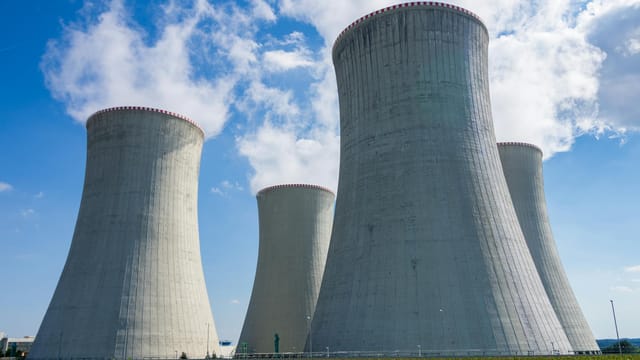
Tentative Talks in Muscat: A Fragile Reset Between Washington and Tehran
The United States and Iran held indirect talks in Muscat on February 6 that both sides called a constructive start, but Tehran rejected any outright ban on uranium enrichment and Washington concurrently imposed sanctions on Iranian oil-related actors. The meeting, welcomed by regional states and the UN, took place amid intense military posturing and a narrow window for diplomacy, leaving outcomes uncertain.

Cautious Breakthrough in Muscat: Iran and U.S. End Indirect Nuclear Talks ‘For Now’
Iran and the United States held indirect nuclear talks in Muscat on Feb. 6 that both sides described as a promising start but paused ‘‘temporarily’’ for consultations. Tehran insisted the dialogue remain limited to the nuclear file and rejected a precondition to cease uranium enrichment, while Washington emphasized diplomacy but kept military options visible.
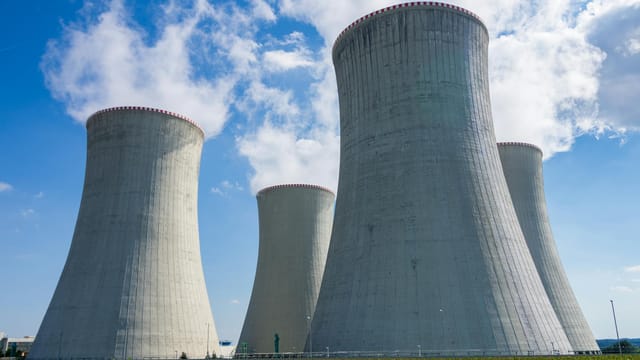
Talks in Muscat as Sanctions Bite: Fragile U.S.–Iran Dialogue Shadowed by Military Alerts
U.S.-Iran talks in Muscat produced a cautious diplomatic opening from Tehran even as Washington imposed new sanctions targeting Iran’s oil trade. Iran refused a precondition banning uranium enrichment and elevated its military to the highest alert; the meeting exposed a narrow, high-risk negotiating window where failure could quickly revert to coercion or military action.
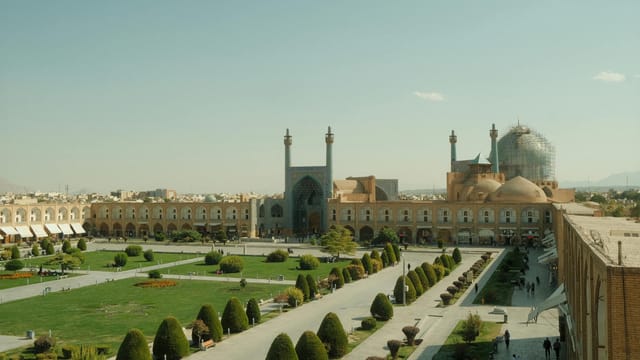
Under Siege at Home and Abroad: Iran’s Hardliners Demand Punishment for Rouhani as U.S. Pressure Mounts
Hardline factions in Iran have intensified attacks on reformists, with some calling for the execution of former president Hassan Rouhani, against a backdrop of increased U.S. military deployments in the Gulf. The dispute pits hawks who favour confrontation against reformists who seek diplomatic de‑escalation, leaving the Supreme Leader’s choices as the pivotal determinant of whether tensions remain domestic or spill into regional conflict.

Arms as Leverage: Why Washington, Tehran and Jerusalem Are Flexing Ahead of Oman Talks
In the days before Oman‑hosted talks, the US, Iran and Israel have all escalated military posturing. Chinese analyst Qin Tian argues these moves are intended both to strengthen bargaining positions and to prevent accidental escalation, while regional states work to avert broader conflict.
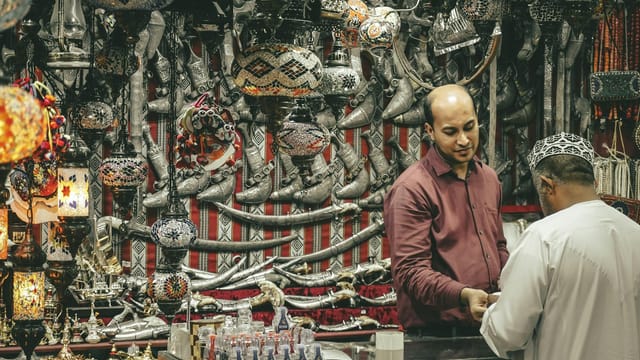
Cautious Breakthrough in Muscat: Iran and U.S. Pause Indirect Nuclear Talks After 'Good' Opening
Iran and the United States held indirect nuclear talks in Muscat on February 6 that Tehran described as a constructive start. The session ended "temporarily" with agreement to continue discussions, but Iran insisted negotiations be confined to nuclear issues and rejected a precondition banning uranium enrichment.