
# geopolitics
Latest news and articles about geopolitics
Total: 26 articles found

Nvidia’s Jensen Huang Teases “Never‑Seen” Chips at GTC — A Shot Across the AI Infrastructure Bow
Nvidia CEO Jensen Huang announced that GTC 2026 will unveil “never‑seen” chips, signalling an aggressive push in AI infrastructure. The declaration underlines Nvidia’s central role in the AI compute market and raises questions about technological novelty, supply‑chain constraints and geopolitical implications.

Trump Confirms Second U.S. Carrier Heading to Middle East, Raising Stakes in an Already Volatile Region
President Trump confirmed the deployment of a second U.S. aircraft carrier to the Middle East, increasing American naval presence amid heightened regional tensions. The move is designed to deter Iran and reassure partners, but it raises risks of escalation, economic fallout for shipping and energy markets, and diplomatic complications for other global players including China.

Beneath the Congratulations: Trump’s Frustration over Slow $550bn Japan-to-US Investment and the High-Stakes Bargain Ahead of a March Summit
President Trump publicly congratulated Japan’s newly strengthened LDP government while privately pressing Tokyo over slow progress on a $550 billion investment package pledged to the United States. Prime Minister Sanae Takaichi’s March visit will bring proposals such as joint rare-earth development and the first tranche of investments, but deep mutual distrust and high American demands risk turning the bargain into a geopolitical lever rather than a simple economic pact.

Trump’s $20bn Taiwan Arms Pitch Tests Beijing’s Red Lines — and Taipei’s Balance Sheet
The Trump administration is reportedly preparing a roughly $20 billion arms package for Taiwan that would expand the island’s air-defence and potentially offensive capabilities. Beijing has warned strongly against such moves, while Taiwan’s political and fiscal constraints make it unclear whether Taipei could finance the purchase, deepening strategic and diplomatic risks for all three parties.
Leaked Draft Shows U.S. Tying Iran Deal to Cuts in Oil Sales to China — A Strategic Move Beyond the Gulf
A leaked draft published by Israeli sources shows U.S. negotiating demands on Iran include a reduction of Iranian oil exports to China, turning a nuclear and regional-security dialogue into a broader U.S.–China contest. Tehran is unlikely to accept terms that undermine its deterrent capabilities and economic lifelines, and the clause risks pushing Iran closer to Russia and deepening great‑power geopolitical rivalry.
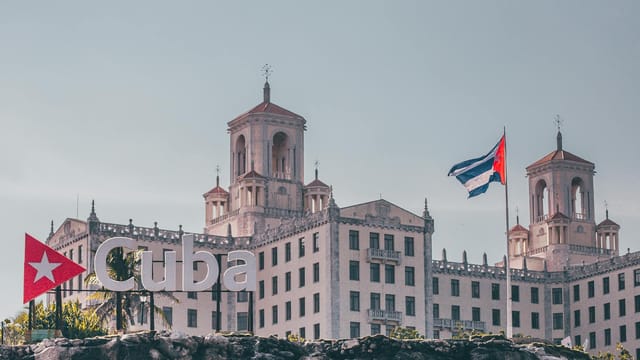
A Mexican Warship, Humanitarian Aid — and a Crack in Six Decades of U.S. Isolation of Cuba
A Mexican navy vessel has delivered humanitarian supplies to Cuba, a symbolic breach of the U.S. embargo that has constrained the island for more than six decades. The shipment underscores growing Latin American willingness to challenge Washington’s policy and raises the question of whether regional actors can erode the embargo’s practical effectiveness through solidarity and alternative supply lines.
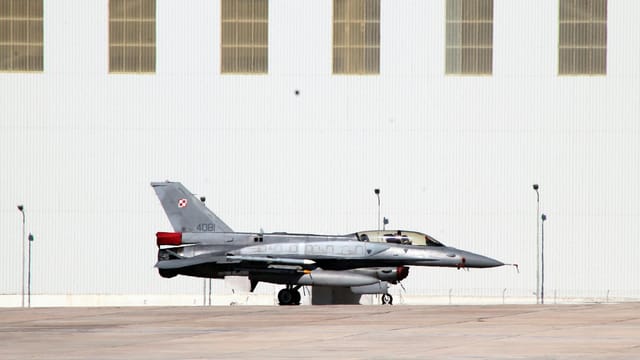
Trump Reorders U.S. Arms Sales to Favor Big Spenders and Strategic Partners
The White House has signed an executive order replacing a decades-old first-come, first-served approach to U.S. foreign military sales with a prioritisation system for high defence spenders and strategically located partners. The Department of Defense must submit a prioritized list of platforms within 120 days, signalling a tighter integration of arms exports with U.S. industrial policy and strategic objectives.
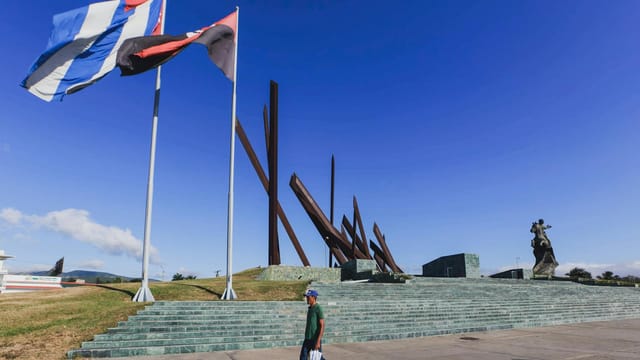
China Deepens Ties with Cuba and Iran as Sanctions Drive New Diplomatic Alignments
China has hosted high-level visits from Iran and Cuba, offering political support and practical assistance that help both states weather US sanctions. Beijing’s approach—economic cooperation framed as non-confrontational diplomacy—creates alternative lifelines that dilute the impact of unilateral pressure and complicate US policy options.
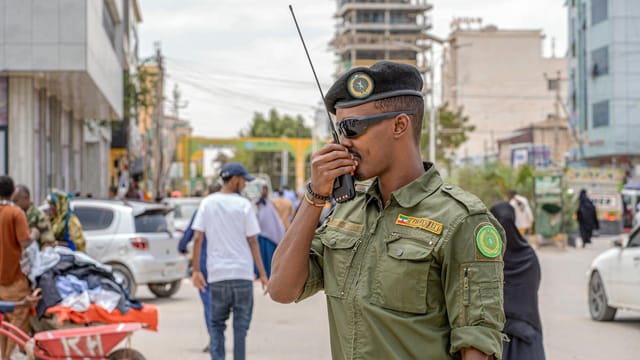
Somalia at a Crossroads: Fragile Recovery Threatened by Somaliland Recognition and Regional Rivalry
Israel’s recognition of Somaliland has jolted an already fragile Somalia, risking fresh fragmentation and external militarisation. Persistent internal disputes, a resilient al-Shabaab insurgency and competing foreign patrons complicate Mogadishu’s path to stability even as pockets of economic and social recovery appear in the capital.
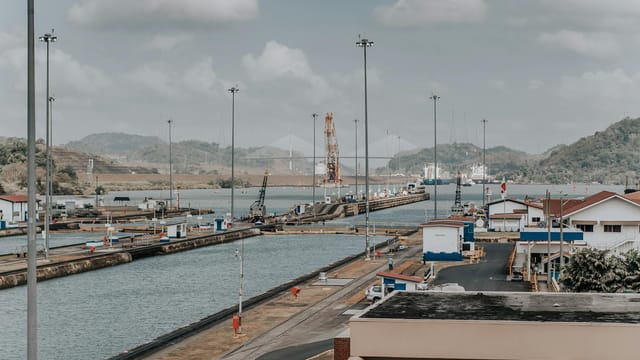
Beijing Condemns Panama Court Ruling on Canal Port Contracts as Attack on Rule‑of‑Law and Investment
Panama's top court voided the renewal of concession agreements for two Panama Canal‑adjacent ports operated by a Hong Kong company, prompting forceful protests from Beijing and the Hong Kong government. China characterized the ruling as legally unfounded, politically driven and damaging to Panama’s investment climate, and warned it would take necessary steps to defend its company’s rights.
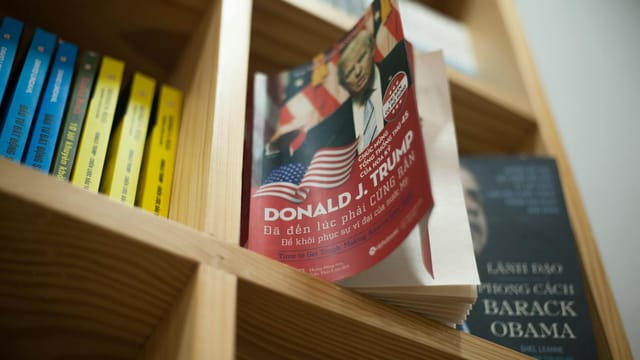
Trump’s Iran Gamble: Bluster, Bargaining and What It Means for China
President Trump’s simultaneous threat of force and offer of talks toward Iran reflects deliberate brinkmanship intended to maximize U.S. leverage. Tehran remains resistant on core issues such as ballistic missiles and regional influence, and a military campaign would carry heavy regional and global costs that complicate any claimed benefits for China.
The U.S. Addiction to Special Forces: Cheap Wins, Strategic Pain
Chinese state commentary argues that successive U.S. administrations have become dependent on special operations as a low‑cost means of power projection, a habit that risks strategic blowback. The piece ties historical institutional development to recent high‑profile raids and warns that frequent unilateral actions erode international norms and invite dangerous retaliation.