
Technology News
Latest technology news and updates
Total: 510

Xiaomi Files Patent for Multi‑Screen Failover to Keep Critical Displays Alive in Cars
Xiaomi Automobile published a patent for a multi‑screen display failover system that routes content from a malfunctioning high‑priority screen to a lower‑priority screen, aiming to maintain visibility of critical information without extra hardware. The filing signals Xiaomi’s emphasis on software‑defined reliability as it scales car production and eyes export markets.
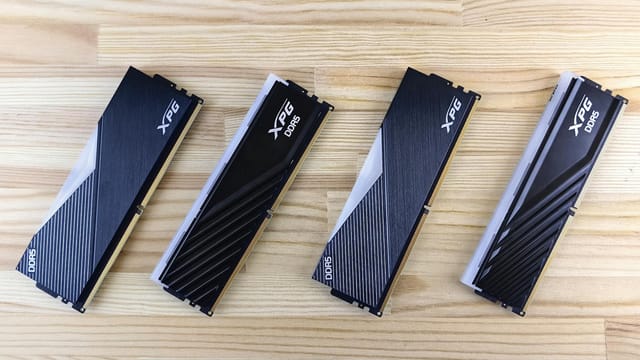
AI Boom Sends Memory Prices Soaring — What It Means for Cloud Providers, Chipmakers and Investors
AI-driven demand for high-performance memory has tightened global supplies, pushing DDR5 RDIMM and enterprise SSD prices sharply higher. China is accelerating domestic capacity expansion and technology upgrades, creating opportunities for local chipmakers and investors while leaving device makers and cloud users to manage higher costs.
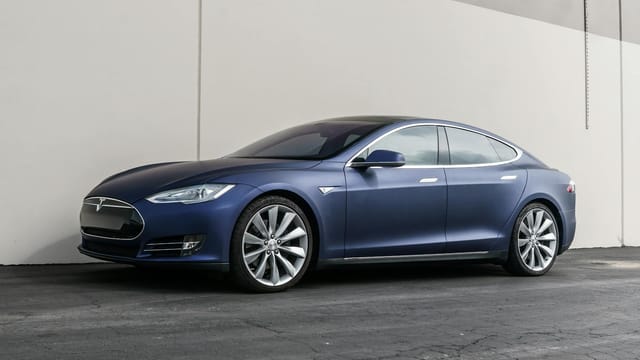
Musk Revives Dojo 3 to Power Tesla’s Push into Full Self‑Driving and Robots
Elon Musk has ordered the restart of Tesla’s Dojo supercomputer project after completing the AI5 chip design, pivoting to a Dojo 3 architecture that densely integrates hundreds of AI5/AI6 chips per board. The reboot aims to cut training costs and support Tesla’s Full Self‑Driving and Optimus robot programmes, but it faces major technical, supply‑chain and competitive challenges.
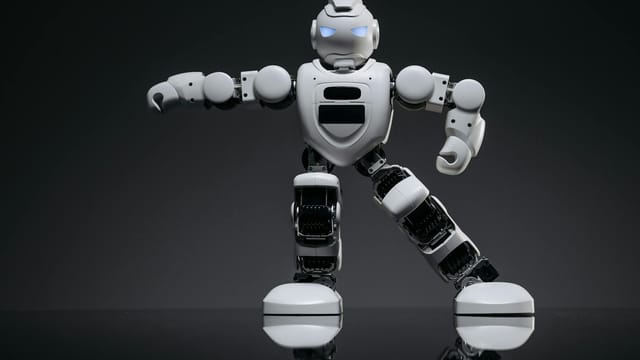
China’s Humanoid-Robot Boom Enters a Darwinian Phase as ‘Brains’ Hold Back Mass Adoption
China’s humanoid-robot sector is undergoing rapid consolidation as a few companies capture orders and funding while many others struggle to commercialise. Analysts identify the AI "brain" — specialised large models and embodied datasets — as the critical bottleneck that will determine whether robots reach mass-market utility or remain niche industrial tools.

Claude Code Upsets Software Labor Market: Micro‑apps for Everyone, “Cracked” Engineers for Startups
Anthropic’s Claude Code, powered by the Opus 4.5 model, is accelerating the creation of one‑off “micro‑apps” by non‑programmers while enabling a small cadre of AI‑augmented developers to deliver team‑level output alone. The result is simultaneous democratization of software creation at the edges and intensified concentration of value among elite “Cracked Engineers,” with significant implications for hiring, security and regulation.

China Validates Landing Cushioning System on ChuanYue‑1 Test Capsule, Clearing Key Step Toward Safer Crew Returns
China says the ChuanYue‑1 test cabin has successfully validated a landing buffer system intended to protect crews and equipment during touchdown. The verification is an important safety milestone that reduces program risk but does not yet constitute a fully certified crewed spacecraft.
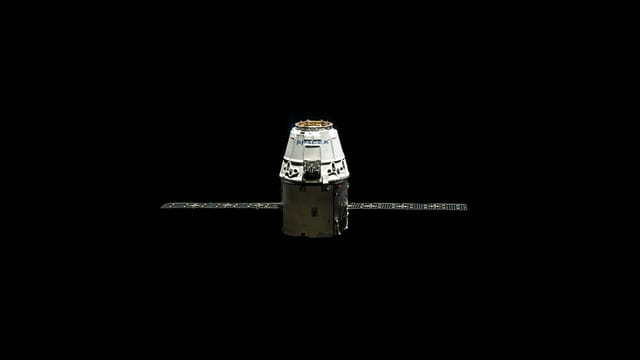
China’s Private Space Sector Clears a Major Hurdle for Crew Flights as Landing Cushion Tech Is Validated
A Chinese private aerospace company has for the first time validated a landing-cushioning technology for crewed spacecraft, signaling the commercial sector’s move into human-rated systems. The milestone lowers a key technical barrier but is only an early step toward certified crewed flights, which will require more integrated testing and regulatory approvals.

China’s Commercial Space Push Accelerates: Private Crew Capsule Test and State Giants Recommit to Reusable Rockets
On January 18, private firm Interstellor announced a successful full-scale test of a crewed-capsule landing-buffer system, a first for China’s commercial space sector. The same week, state-owned CASIC and CASC set 2026 priorities that emphasise aerospace-defence business lines and a concerted push to master reusable-rocket technology, signalling tighter alignment between private innovation and state industrial strategy.
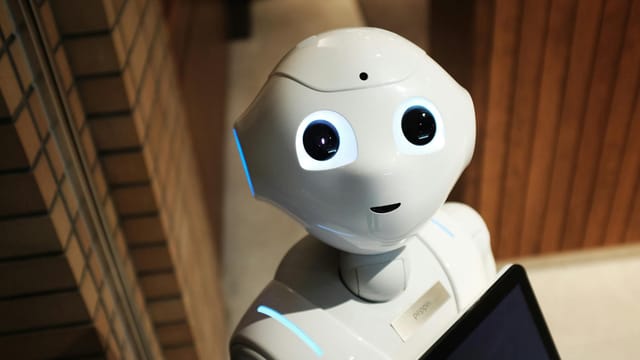
Airbus Teams Up with Chinese Robot Maker UBTECH to Push Humanoid Automation into Aerospace
UBTECH and Airbus have formed a partnership to develop humanoid robots for aerospace tasks, combining UBTECH’s bipedal platforms with Airbus’s operational expertise. The collaboration highlights both the practical appeal of human-form robots in human-centric environments and the central technical challenge: building safe, reliable "brains" for use in regulated, safety-critical settings.
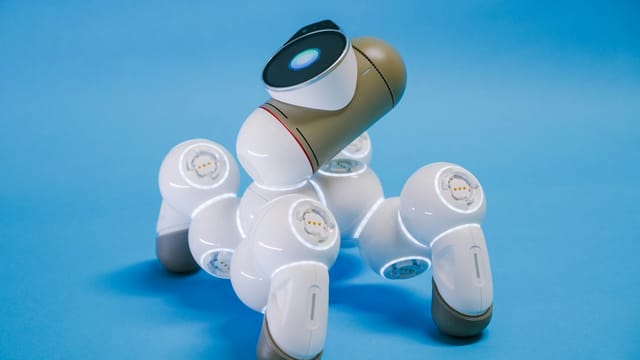
China’s Humanoid Drive Hits a New Constraint: Training Data, Not Motors
China’s humanoid-robot sector is confronting a new chokepoint: the scarcity and high cost of high-quality training data. Companies and regional innovation centres are building motion-capture factories, standardised datasets and synthetic pipelines to turn robots that can move into robots that are practically useful, even as memory and chip supply constraints threaten overall scaling.

Washington’s 100% Tariff Ultimatum Forces Chipmakers to Choose: Pay or Build
The U.S. has begun imposing tariffs on certain imported semiconductors and warned foreign memory makers that failure to expand production on U.S. soil could trigger duties up to 100%. South Korea’s government and firms such as SK Hynix are urgently reassessing strategy amid rising uncertainty, while the policy risk accelerates a geopolitical reorganisation of global chip supply chains.

Brussels Moves to Ban Huawei and ZTE Gear from EU Networks, Pushing a Fraught Tech‑Sovereignty Agenda
The European Commission is preparing a draft cybersecurity law to make exclusion of so‑called "high‑risk" suppliers—targeting Huawei, ZTE and other Chinese vendors—mandatory across the EU. The proposal seeks to replace a voluntary 2020 framework with binding rules, but faces legal, economic and political hurdles including heavy reliance on Chinese-made solar panels and resistance from telecom operators and some member states.