
# United%20States
Latest news and articles about United%20States
Total: 218 articles found
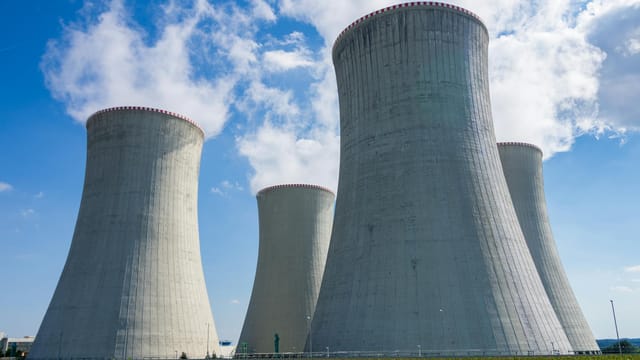
Iran Declares It Does Not Seek Nuclear Weapons and Offers Unspecified Inspections as U.S. Military Pressure Rises
Iran’s president declared the country does not seek nuclear weapons and said Tehran would accept any inspections, a statement delivered against heightened U.S. military pressure and ongoing indirect talks in Muscat. The offer is politically significant but vague on verification details, and its credibility will hinge on the scope of access granted and reciprocal incentives such as sanctions relief.

Beneath the Congratulations: Trump’s Frustration over Slow $550bn Japan-to-US Investment and the High-Stakes Bargain Ahead of a March Summit
President Trump publicly congratulated Japan’s newly strengthened LDP government while privately pressing Tokyo over slow progress on a $550 billion investment package pledged to the United States. Prime Minister Sanae Takaichi’s March visit will bring proposals such as joint rare-earth development and the first tranche of investments, but deep mutual distrust and high American demands risk turning the bargain into a geopolitical lever rather than a simple economic pact.
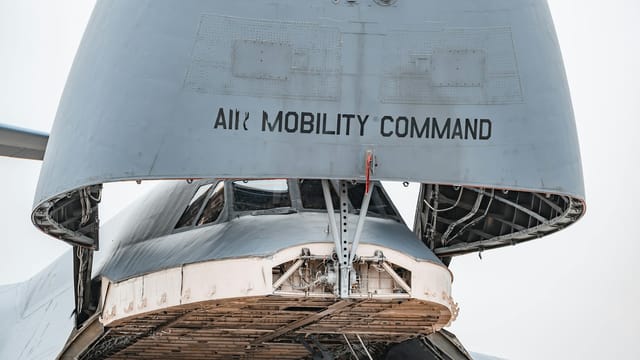
U.S. Set to Send About 200 Troops to Nigeria to Train Forces Against ISIS Affiliates
The U.S. plans to send about 200 troops to Nigeria to train local forces against Islamic State-affiliated militants, reinforcing a small existing U.S. presence. The move follows U.S. airstrikes in Nigeria in December 2025 and reflects Washington’s shift toward limited advisory deployments to counter transnational extremist threats in West Africa.
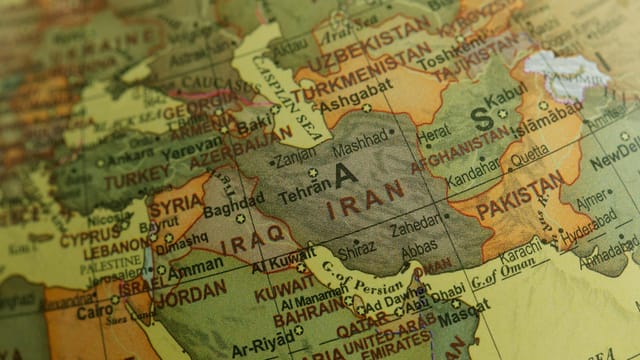
Muscat Talks Signal New U.S.–Iran Dialogue Track, Raising Hopes — and Risks — for De‑Escalation
A first round of indirect U.S.–Iran nuclear talks in Muscat has produced unusually positive public signals from both sides and appears to have established a new, more visible dialogue mechanism under Omani mediation. While this reduces short‑term escalation risks, substantive agreement will be hard to achieve quickly given domestic constraints and regional spoilers.
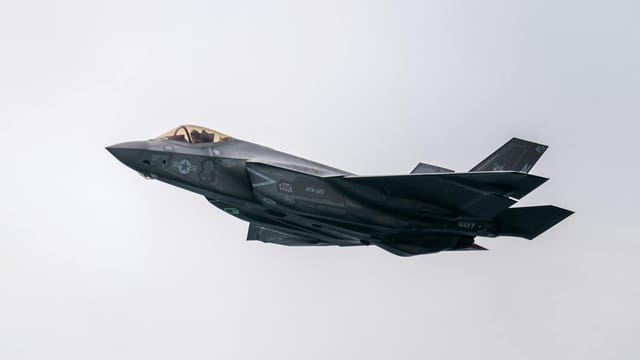
Strike a Carrier, Invite a Response: Why Hitting a U.S. Aircraft Carrier Would Force Washington's Hand
A Beijing commentary argued that an Iranian strike on a U.S. aircraft carrier would almost certainly draw U.S. retaliation. Such an attack would challenge American deterrence, risk rapid escalation across the region, and have immediate diplomatic and economic repercussions for global shipping and markets.
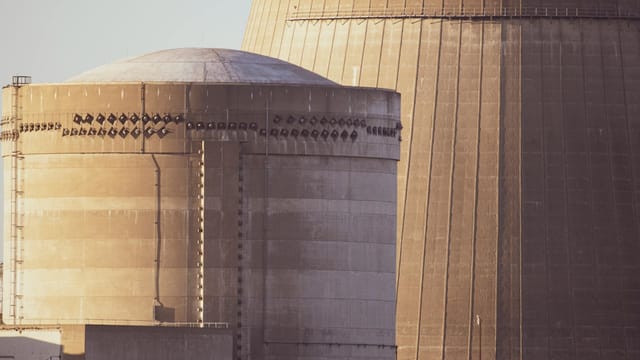
Iran's Dual Track: Offering Dialogue While Drilling In for a Fight
Iran is simultaneously signaling willingness to negotiate with the United States over nuclear issues while publicly reaffirming military readiness and core red lines. Regional intermediaries like Oman are facilitating indirect talks, but continuing US pressure and Israeli demands risk undermining progress unless both sides adopt reciprocal confidence‑building measures.

Iran’s Larijani Warns Washington to Snub Israeli Pressure on Nuclear Talks Ahead of Netanyahu Visit
Ali Larijani, Iran’s Supreme National Security Council secretary, publicly urged the U.S. to be wary of Israel’s influence as Prime Minister Netanyahu heads to Washington, accusing Israel of a ‘‘destructive’’ role in shaping nuclear-talks frameworks. The warning highlights Tehran’s concern that Israeli pressure could skew U.S. policy on Iran’s nuclear program and complicate diplomacy.
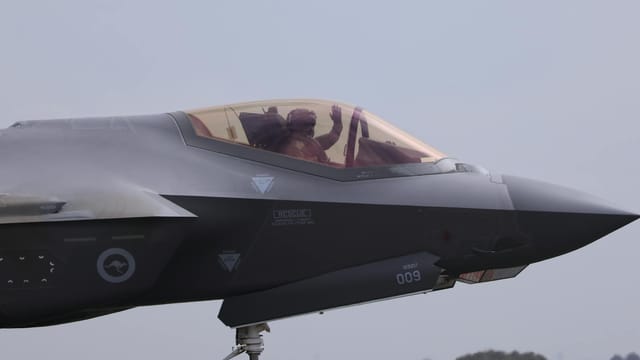
Radarless F‑35s and Claims of 1,000 J‑20s: A Test of U.S. Production, Chinese Scale and Air‑Power Assumptions
A reported delay in new radars has left a batch of F‑35As delivered without their primary fire‑control sensors, limiting their beyond‑visual‑range capabilities and highlighting U.S. supply‑chain fragility. Parallel claims that China is ramping J‑20 production toward 1,000 aircraft underscore a narrative of shifting industrial balance, though the larger Chinese figures warrant cautious scrutiny.
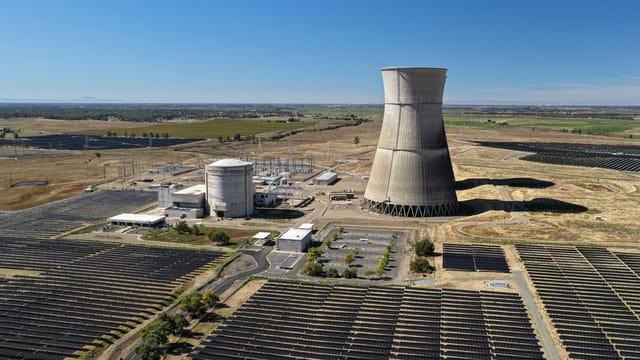
Iran’s Two‑Track Play: Negotiating Nuclear Talks While Posturing for War
Iran has adopted a deliberate two‑track approach: signalling willingness to negotiate on the nuclear file while visibly reinforcing military readiness and red lines. Analysts advise focusing on incremental, verifiable nuclear concessions, reciprocal confidence‑building measures and broader international mediation to avoid a dangerous breakdown in talks.

Trump’s $20bn Taiwan Arms Pitch Tests Beijing’s Red Lines — and Taipei’s Balance Sheet
The Trump administration is reportedly preparing a roughly $20 billion arms package for Taiwan that would expand the island’s air-defence and potentially offensive capabilities. Beijing has warned strongly against such moves, while Taiwan’s political and fiscal constraints make it unclear whether Taipei could finance the purchase, deepening strategic and diplomatic risks for all three parties.
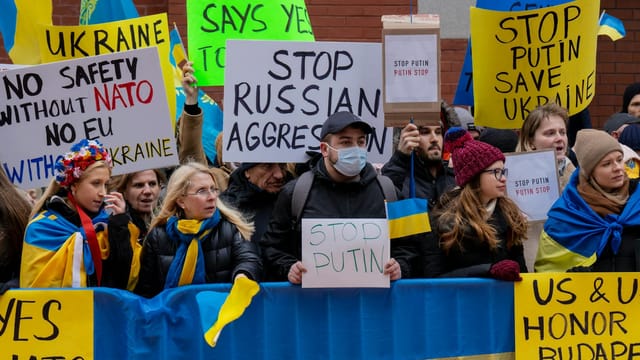
The Troubled Partnership Frays: US–Europe Rift Exposes a New Postwar Reality
Blunt American criticisms at high‑profile international meetings have exposed deepening fractures in US–European relations, driven by economic shifts, divergent values and contested security expectations. The rupture raises questions about NATO’s cohesion, the future of the liberal international order and Europe’s push for strategic autonomy, with broad consequences for global stability and alignment.
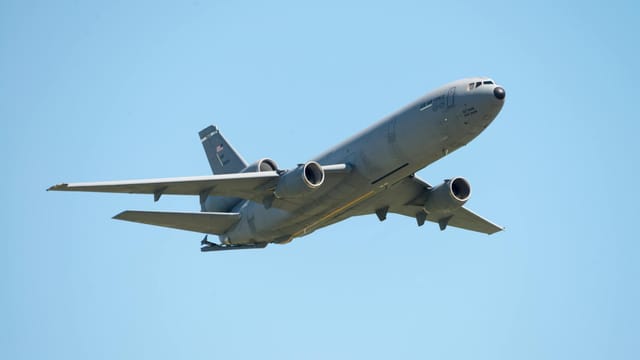
Why Missiles Alone Won't Topple a Carrier: What the Escalating US–Iran Standoff Reveals About Modern Naval Power
Rising tensions between the United States and Iran have rekindled debate over whether long‑range ballistic missiles can neutralize U.S. aircraft carriers. While intercontinental missiles serve strategic deterrence, they are ill suited to hit moving naval formations; the real threat to carriers comes from more targeted anti‑ship systems and asymmetric tactics in confined waters. The standoff highlights a shift in naval competition: carriers remain central to power projection, but must be defended and complemented by new doctrines and technologies to remain credible in contested littorals.