
World News
Latest world news and updates
Total: 818
Iran Parades Advanced Ballistic Missile Ahead of US Talks, Signalling Hardened Deterrence
The IRGC unveiled the Khorramshahr‑4 medium‑range ballistic missile and an underground missile facility on 4 February, touting a 2,000 km range, 1,500 kg warhead and improved accuracy and re‑entry speed. The demonstration, timed ahead of narrowly focused US‑Iran nuclear talks in Muscat, is a strategic signal that Iran's missile deterrent is non‑negotiable and intended to shape regional and Western calculations.

Gulf States Push US and Iran Toward a Non‑Aggression Pact as Muscat Talks Resume
Gulf and Muslim states have drafted a mutual non‑aggression framework they hope will be adopted by the United States and Iran during talks in Muscat, aiming to curb direct strikes and proxy escalation. The proposal faces major hurdles — chiefly verification, the unresolved nuclear dispute, and likely Israeli opposition — that may limit its practical effect.

Washington Presses Israel to Stand Down as US and Iran Return to the Table
The United States has asked Israel to avoid unilateral military action against Iran while American and Iranian officials meet in Muscat, reflecting Washington's concern that an Israeli strike could derail fragile nuclear talks. Israeli officials remain doubtful an agreement is possible, and the episode highlights the persistent risk that local military moves could trigger broader regional escalation.

Seoul and Abu Dhabi Explore Joint KF-21EX Project — A Test of South Korea’s Bid to Break Western Weapon Monopolies
South Korea and the UAE signed a defence cooperation memorandum that opens the door to jointly developing a stealth‑enhanced KF-21EX fighter. The deal reflects the UAE’s desire to diversify weapon suppliers and Seoul’s ambition to break into higher tiers of the global fighter market, but the project faces major technical, export-control and competitive hurdles.
China Deepens Ties with Cuba and Iran as Sanctions Drive New Diplomatic Alignments
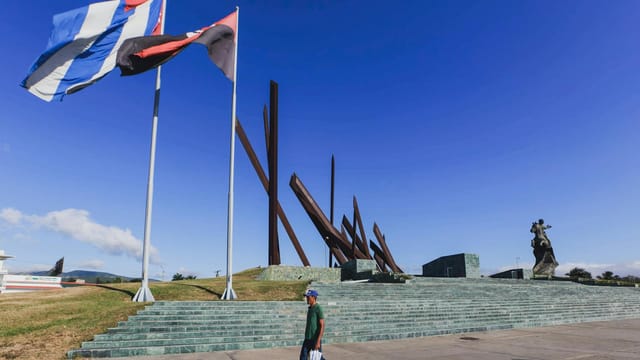
China has hosted high-level visits from Iran and Cuba, offering political support and practical assistance that help both states weather US sanctions. Beijing’s approach—economic cooperation framed as non-confrontational diplomacy—creates alternative lifelines that dilute the impact of unilateral pressure and complicate US policy options.

UN Aid Convoy Struck by Drone in Central Sudan, Underscoring Growing Risks to Humanitarian Access
A UN World Food Programme convoy was struck by a drone in North Kordofan on 6 February, killing one and injuring three. The attack, blamed on the Rapid Support Forces, highlights escalating risks to humanitarian access amid a two-year war that has killed nearly 30,000 people.
China’s PLA Pushes ‘Training-as-War’ Tempo Across Land, Sea, Air and Cyberspace
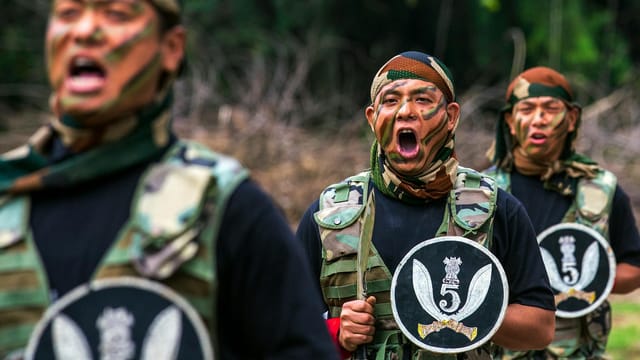
China’s military has intensified high‑tempo, cross‑domain training across land, sea, air and cyber units, emphasising realistic red‑blue opposition and electromagnetic and data warfare scenarios. The push aims to harden combat readiness, validate new tactics and signal growing joint capabilities, but it also raises questions about sustainability and escalation risks in regional crises.
Quiet Progress in Muscat: Iran and US Agree to Continue Indirect Talks, Tehran Flags 'No Pressure' Condition
Iran and the United States held indirect talks in Muscat on February 6 that Tehran described as a promising start. Both sides agreed to continue negotiations, with Iran stressing that the removal of threats and pressure is a necessary precondition for substantive progress.
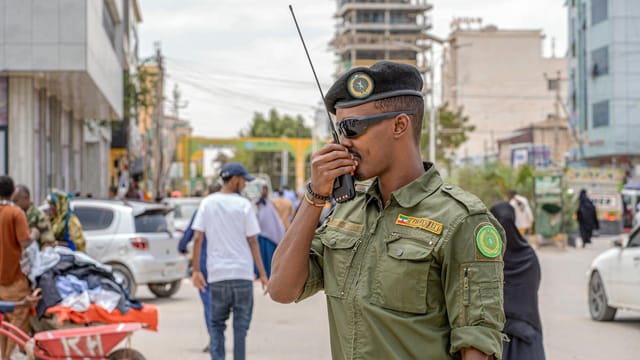
Somalia at a Crossroads: Fragile Recovery Threatened by Somaliland Recognition and Regional Rivalry
Israel’s recognition of Somaliland has jolted an already fragile Somalia, risking fresh fragmentation and external militarisation. Persistent internal disputes, a resilient al-Shabaab insurgency and competing foreign patrons complicate Mogadishu’s path to stability even as pockets of economic and social recovery appear in the capital.
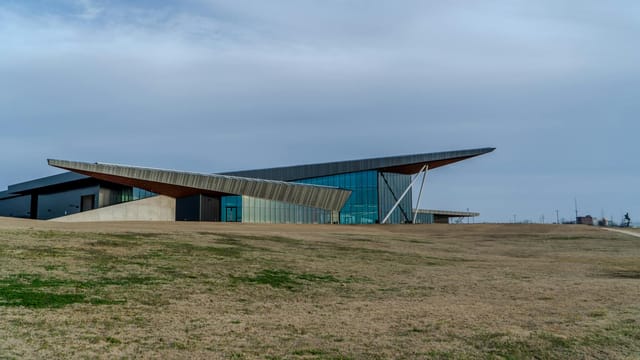
Muscat Hosts Quiet Iran–US Indirect Talks as Oman Acts Broker
Iran and the United States held indirect talks in Muscat on February 6 with Oman acting as intermediary. The low-profile meeting, attended by Iran’s foreign minister Araghchi and a U.S. envoy Witkoff with Jared Kushner present, signals cautious diplomatic engagement but stops short of any immediate, comprehensive agreement.
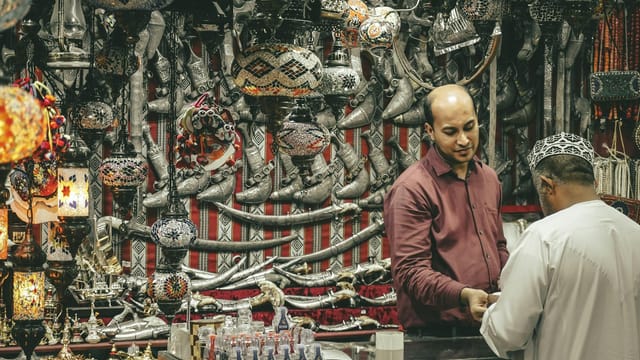
Muscat Mediation Keeps U.S.–Iran Nuclear Dialogue Alive, But Substance Still Divides Them
Indirect talks in Muscat on 6 February mediated by Oman produced a limited breakthrough: Iran and the U.S. agreed to continue dialogue, though core terms remain disputed. The mediated format reflects deep mistrust but also a shared interest in avoiding escalation while technical and political obstacles are negotiated.

Divided and Armed: Iran’s Internal Rift Threatens to Sabotage a High‑Stakes U.S. Negotiation
Heightened U.S. military pressure in the Gulf meets deepening factional rivalry inside Iran, where hardliners and sidelined reformists clash over how to respond. With missile upgrades and February 6 negotiations looming, Tehran’s internal divisions may determine whether diplomacy holds or conflict erupts, carrying broad regional consequences.