
# IRGC
Latest news and articles about IRGC
Total: 15 articles found
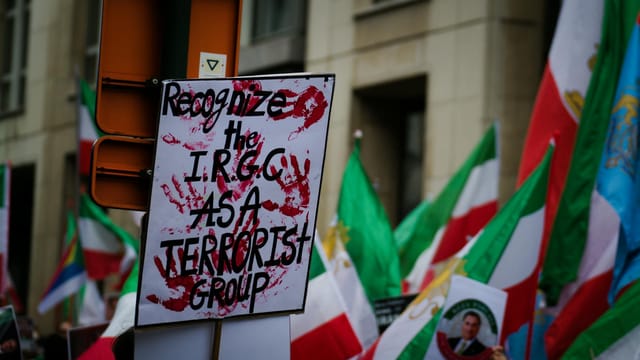
IRGC Navy Conducts Major Drills in Strait of Hormuz, Threatens Rapid Closure Capability
Iran’s IRGC navy held major drills in the Strait of Hormuz on February 17, 2026, with its commander saying the force could close the strait rapidly if necessary. The exercise is a calibrated display of asymmetric maritime capability designed to deter adversaries and exert leverage, while full closure would be costly and escalatory for Tehran.

Teeth on the Map: IRGC Naval Drills in the Strait of Hormuz Raise Stakes for Global Shipping
Iran’s IRGC conducted the main phase of naval exercises in the Strait of Hormuz on 17 February 2026, with commanders asserting the ability to close the waterway quickly if required. The move underscores a persistent vulnerability for global energy shipments and raises the prospect of heightened naval deployments, insurance costs, and diplomatic friction.
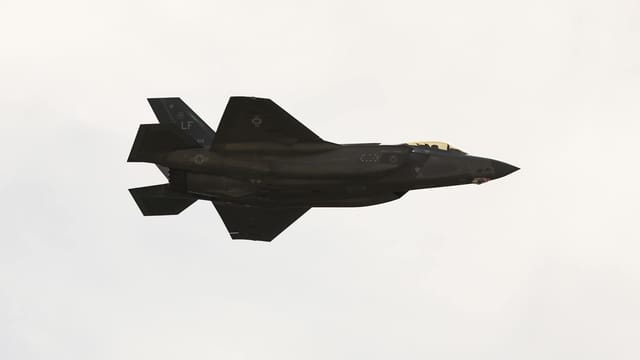
U.S. Readies Potentially Prolonged Strikes on Iran as Tensions Surge
U.S. officials say military planning is underway for strikes on Iran that could last weeks and extend beyond nuclear targets to security and state institutions. Washington has bolstered forces in the Middle East while Tehran warns of retaliation, raising the risk of a protracted regional confrontation.
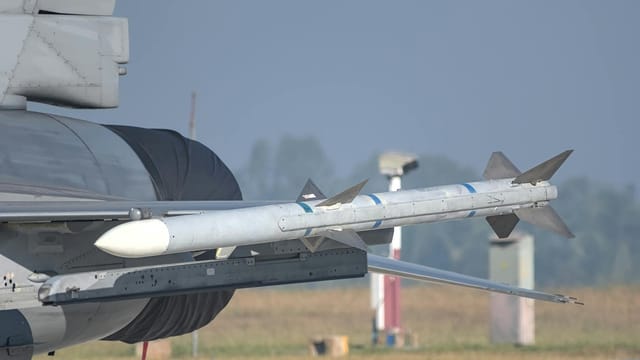
How Iran’s Missile and Drone Arsenal Has Remade Its Military Standing
Iran has become a top‑20 military power not by fielding a modern air force or blue‑water navy but by investing heavily in long‑range missiles, drones and asymmetric tactics. These capabilities give Tehran a resilient, regionally disruptive deterrent, even as sanctions and aging conventional platforms limit its ability to wage high‑intensity conventional campaigns.

Iran Deploys 'Underground Missile City' and New MRBM, Putting Israel and Gulf Bases in Range
Iran's IRGC says it has placed a new Khorramshahr-4 medium-range missile in underground facilities and opened a fortified 'missile city,' claiming a 2,000 km range that would reach Israel and US bases in the Gulf. The move boosts survivability and signalling leverage but is likely to raise tensions, complicate regional defence planning and challenge arms-control efforts.
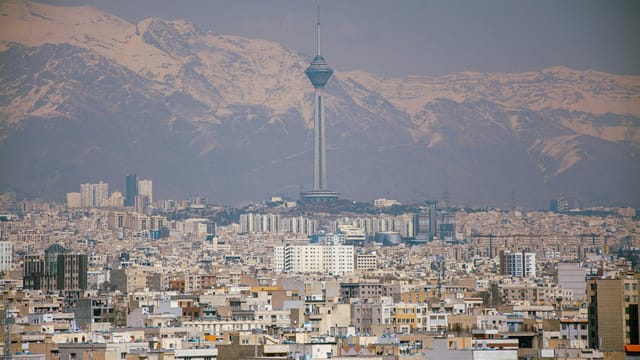
Iran Parades Advanced Ballistic Missile Ahead of US Talks, Signalling Hardened Deterrence
The IRGC unveiled the Khorramshahr‑4 medium‑range ballistic missile and an underground missile facility on 4 February, touting a 2,000 km range, 1,500 kg warhead and improved accuracy and re‑entry speed. The demonstration, timed ahead of narrowly focused US‑Iran nuclear talks in Muscat, is a strategic signal that Iran's missile deterrent is non‑negotiable and intended to shape regional and Western calculations.
Beneath the Rubble: How Iran’s Shadow Economy Keeps a Struggling Regime Afloat
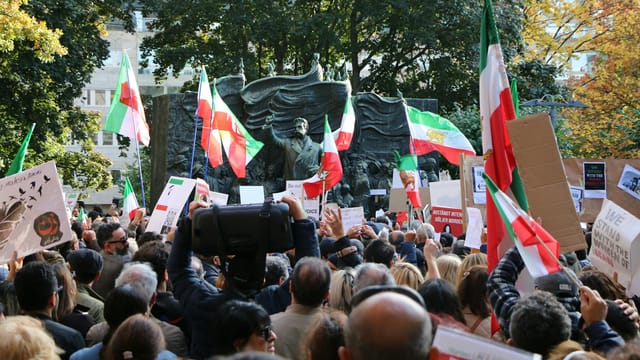
Iran’s public economy has unravelled since December 2025: runaway inflation, a collapsing rial, and mass protests followed a fuel subsidy cut. But a large, opaque shadow economy—dominated by the IRGC, Bonyads and resilient shadow‑banking networks—continues to circulate funds and shield the regime’s core, making rapid collapse unlikely and prolonging chronic national decline.
Iran Parades ‘Abu Mahdi’ Cruise Missiles and Underground ‘Missile City’ — A Signal to U.S. Fleets
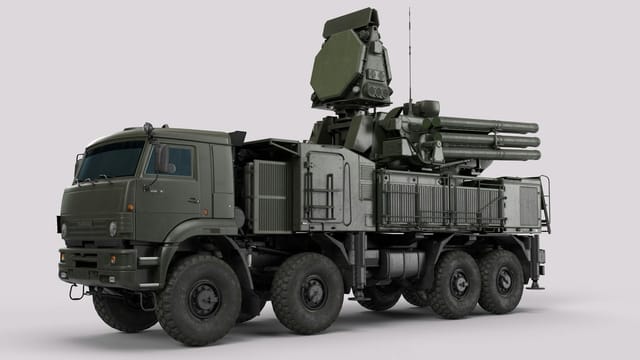
Iran publicly showcased a subterranean missile complex storing hundreds of new “Abu Mahdi” anti‑ship cruise missiles that Tehran says can reach beyond 1,000 km and penetrate warship defences. The display is both a tactical signal about asymmetric coastal striking capability and a strategic challenge to U.S. naval operations in the Gulf and nearby waters.
Iran Says It Will Treat European Militaries as 'Terrorists' After EU Lists the IRGC — A Dangerous Escalation
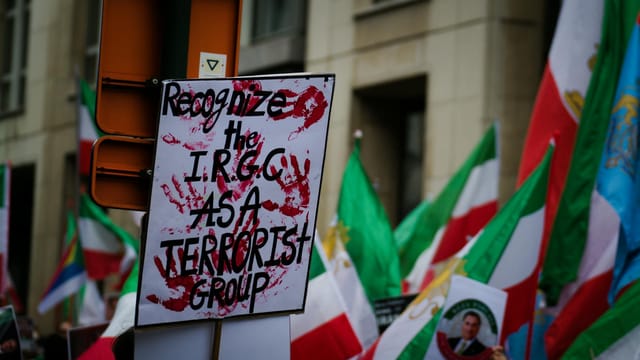
Iran’s parliament speaker announced that Tehran will treat European militaries as terrorist organisations after the EU designated the IRGC as a terrorist group. The declaration is largely rhetorical but raises serious legal and operational risks, complicating European deployments and increasing the chance of miscalculation in an already tense region.

US–Iran Standoff Tightens: Naval Build‑Up, Sanctions and a Narrow Window for Diplomacy
A sharp US–Iran confrontation has intensified as Washington increases naval deployments and sanctions while Tehran vows to retaliate and seeks regional diplomatic backing. Negotiations remain possible but are constrained by US preconditions that Iran rejects and by a narrow strategic space where miscalculation could shut the Strait of Hormuz and roil global markets.
Iran Signals Willingness to Talk — But Warns of 'Firm, Forceful' Response if Attacked
Iran's foreign minister said Tehran still prefers negotiations but only if threats and pressure are removed, warning that any attack on Iran would be met with a "firm, forceful" response. The comments blend openness to diplomacy with a clear deterrent posture and come amid stalled talks over Iran's nuclear programme and heightened regional tensions.
On the Brink: US Carrier Group, Strike Assets and Iranian Alerts Raise Risk of Rapid Escalation
U.S. military forces have massed in the Gulf and a carrier strike group has entered the Arabian Sea as Washington signals it may be poised to strike Iran imminently. Tehran has publicly offered talks but has mobilised forces and warned that any attack would prompt regional retaliation, leaving the region dangerously close to rapid escalation.