
# sanctions
Latest news and articles about sanctions
Total: 31 articles found
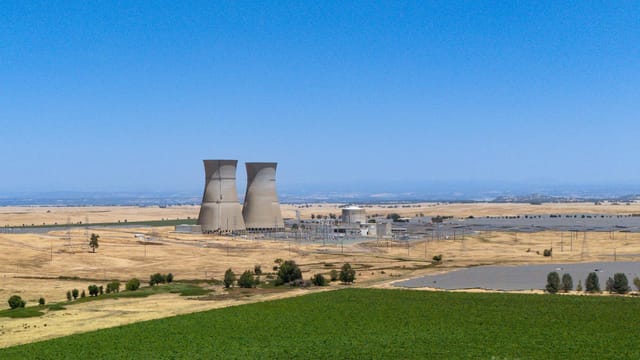
Trump Stakes Diplomacy on Coercion as Geneva Talks With Iran End in Standoff
The Geneva nuclear talks ended without agreement as US military deployments and Iranian naval drills hardened positions on both sides. Fundamental disagreements over Iran’s nuclear and missile programmes, Israeli security demands, and the timing of sanctions relief mean the risk of escalation remains high unless negotiators find a politically credible compromise.

Iran Says It Will Return to Geneva Talks Within Two Weeks With ‘Detailed Proposal’ — A Tentative Step Toward Breaking the Stalemate
U.S. officials say Iran will return to indirect talks in Geneva within two weeks with a detailed written proposal aimed at closing outstanding gaps. Participants described the latest round as progressive but incomplete; the next submission could determine whether incremental diplomacy can yield a verifiable, phased agreement or merely postpone future confrontation.
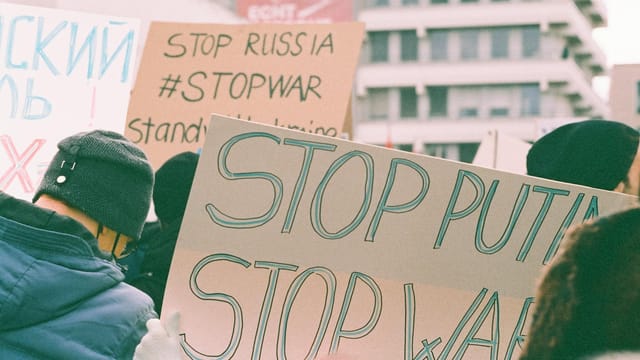
Russia, US and Ukraine Meet in Geneva as Diplomacy Reawakens
Delegations from Russia, the United States and Ukraine met in Geneva on 17 February for tripartite talks hosted by Switzerland. While public details are sparse, the format suggests discussions on humanitarian issues, security guarantees and confidence‑building measures, with major disputes over territory and sanctions likely to constrain outcomes.

Why Iran Has Few Friends: The Three Contradictions That Keep It Isolated
Iran’s limited friendship network stems from three intertwined contradictions: its revolutionary export and proxy strategy, the trade-off between security confrontation and economic dependence, and transactional ties with major powers rather than deep alliances. Domestic factionalism and fragile regional detente make lasting normalization unlikely, with consequences for regional stability and global policy choices.
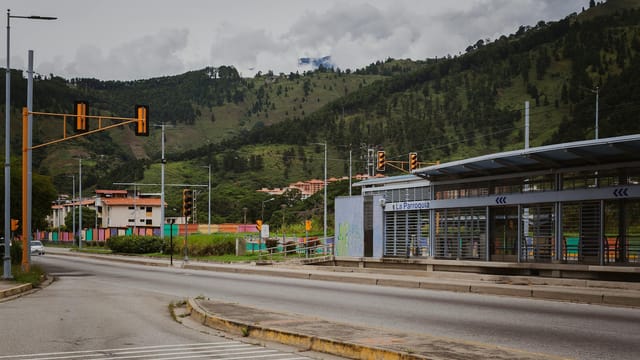
Trump Says He Will Visit Venezuela as U.S. Officials Hold High‑Level Talks on Energy and Sanctions
President Trump announced he will visit Venezuela and said U.S. companies are extracting oil there, as Washington pursues high‑level talks with Caracas on energy, mining and sanctions. U.S. Energy Secretary Chris Wright met Venezuela’s acting president in Caracas to negotiate cooperation and possible sanctions relief, while anti‑U.S. demonstrations have erupted in the capital.
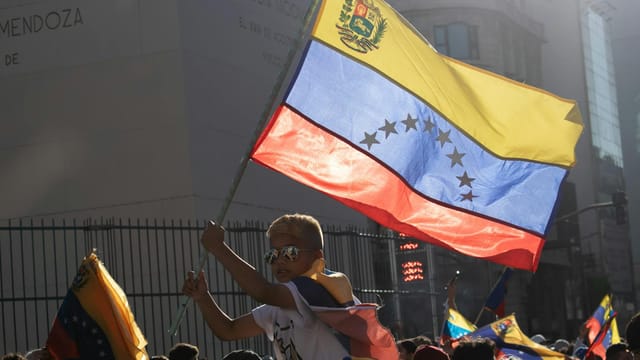
Tens of Thousands in Caracas Rally Against Alleged U.S. Attack, Reaffirming Maduro’s Anti‑Imperialist Line
About 20,000 people rallied in Caracas on Venezuela’s Youth Day to protest what demonstrators described as a U.S. attack, calling for the release of President Nicolás Maduro and his wife and voicing solidarity with Cuba against recent U.S. pressure. The march highlights Maduro’s continued use of anti‑imperialist mobilization to bolster legitimacy and complicate international responses.

Empty Talks, Immediate Pressure: How a Failed US–Iran Meeting Exposed a Wider Geo‑Strategic Game
A recent round of US–Iran talks ended without agreement, and Washington immediately escalated economic pressure while Tehran moved to shore up ties with China and Russia. Deep divides over negotiation scope, nuclear baselines, and mutual distrust make a quick resolution unlikely and favour a prolonged strategic contest.
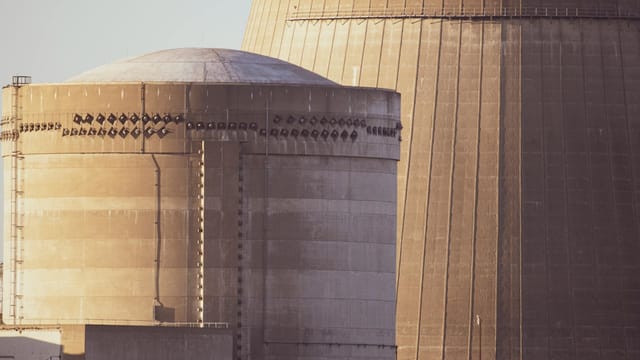
Iran's Dual Track: Offering Dialogue While Drilling In for a Fight
Iran is simultaneously signaling willingness to negotiate with the United States over nuclear issues while publicly reaffirming military readiness and core red lines. Regional intermediaries like Oman are facilitating indirect talks, but continuing US pressure and Israeli demands risk undermining progress unless both sides adopt reciprocal confidence‑building measures.
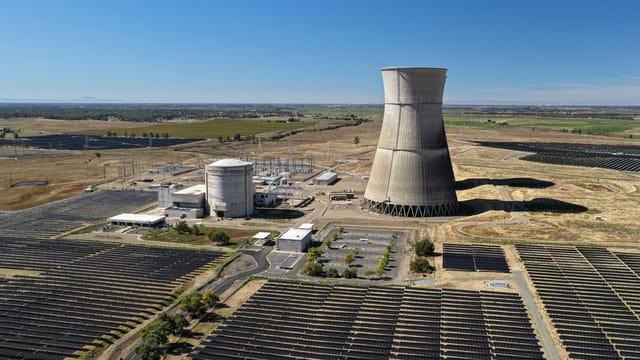
Iran’s Two‑Track Play: Negotiating Nuclear Talks While Posturing for War
Iran has adopted a deliberate two‑track approach: signalling willingness to negotiate on the nuclear file while visibly reinforcing military readiness and red lines. Analysts advise focusing on incremental, verifiable nuclear concessions, reciprocal confidence‑building measures and broader international mediation to avoid a dangerous breakdown in talks.

Sheinbaum Sends Second Aid Shipment to Cuba and Rebukes U.S. Sanctions as Unfair
Mexican President Claudia Sheinbaum announced a second humanitarian shipment to Cuba and publicly criticized U.S. penalties on countries that supply oil to the island, calling them unfair. Sheinbaum said Mexico will press for the removal of such sanctions, a stance that signals a more independent regional posture and could complicate relations with Washington.
Venezuela’s Oil Is Squeezing Washington: How a Strategic Prize Became a Market Burden
U.S. attempts to weaponize Venezuelan oil have produced unintended market distortions, turning a potential strategic asset into an operational burden. China's deepening ties in Latin America and the timing of oil flows have reduced Washington's leverage and increased volatility in global energy markets.

Iran Draws Two Red Lines After Indirect US Talks: Enrichment and Missiles Non-Negotiable
Following indirect, Oman‑hosted talks with US interlocutors, Iran’s foreign minister Alaghaqi set two firm red lines: the country will not surrender its right to enrich uranium and will not negotiate its missile programme. The comments narrow the scope for a comprehensive deal and point toward limited, technical confidence‑building measures rather than a broader arms‑control bargain.